Open Mon-Thur 8am-7pm, Closed Friday, Open Sat/Sun 10am-5pm.

Why Should I Upgrade my Instrument to a Performance Level Instrument?

Student instruments are a great introduction to music. Aspiring musicians can develop basic skills and playing technique at an affordable price point. However, student instruments are NOT suited for advanced players and dedicated musicians. Continuing to play on a student instrument can actually prevent aspiring musicians from developing proper tone and playing technique needed for their playing to advance. If your student is quickly advancing and shows interest and ambition in music, investing in a pro-level instrument is a necessity. 

What Benefits do Performance-level Instruments Offer?

Performance-level instruments offer superior tone and playability. They maintain their quality over a longer period of time. Your student can perform with more ease and confidence and can begin playing at their highest capability. We carry respected brands from trusted instrument makers with a proven track record of excellence.

Why Rent with Golden Music? 

We offer a maintenance plan with every rental if you ever need a repair. Our experienced staff and highly-trained luthiers are here to help you maintain your instrument. Previous renters can also apply up to 24 past payments as credits towards a new pro-level instrument rental! All you need is a 15% deposit plus the first month’s payment and the instrument. Plus, every rental comes with a FREE lesson from one of our highly-experienced teachers! 

Golden Music has been part of the Colorado music community for 28 years. We provide quality rentals to schools and individuals across the state. You can try out our selection at our location in Lakewood and we’ll order a brand-new instrument from you once you make your selection.  

LEARN MORE

PERFORMANCE STRINGS

Our fine strings are hand-selected from around the world and custom set-up in our workshop in Lakewood.   Our sources are antiques, family workshops and Eastman.  Master Violins: These are crafted to last for decades or even longer. They use higher-quality materials, aged wood, and meticulous manufacturing techniques. Master violins are built for long-term use and professional performance.
  1. Sound Quality:
    • Student Violins: While they sound good initially, student violins may lack the richness and depth of tone found in master violins.
    • Master Violins: These instruments produce a more refined and resonant sound due to their superior craftsmanship and materials.
  2. Price:
    • Student Violins: More affordable, making them ideal for beginners who are still exploring their interest in playing the violin.
    • Master Violins: Expensive due to the high-quality materials and craftsmanship involved. They are investments for serious musicians.
  3. Construction:
    • Student Violins: Often sold in sets with cases, bows, and accessories. The assumption is that beginners need these items. The wood may not be aged as long, affecting its durability.
    • Master Violins: Professionals often hand-select accessories based on personal preferences. The violin itself is meticulously crafted and optimized for performance.
 
OUR PROFESSIONAL VIOLINS – A soloist’s perfect companion.

Designed for projection, our violins will make the soloist feel supported and comfortable performing in the largest of concert halls. With sophisticated and colorful tone, these violins will carry the virtuoso through the most difficult passages.  Built for soloists from the highest quality materials and by the most skilled luthiers.


Aged European Tonewoods – Made from the most sought after wood available, our tonewoods are hand selected from regions such as Germany and Italy. Through a natural aging process, these materials become more reliable and develop deep tonal characteristics that rival the greatest violins of the past.


Master Luthiers – We are a family and employee run business, we value the people that make us whole.  Our master luthiers, through their commitment to the craft, that the finest instruments can be sculpted with care and precision.


Antiqued Oil Varnish – Just as it is important to properly age wood, a good finish takes time. Our multi-layered oil varnish is patiently hand-applied over several months, leading to enhanced tonal characteristics and rich appearance. Our varnish shop then meticulously follows an antiquing process, creating a unique look for each violin.


     “It makes me want to practice again like I am 7 years old. The violin projects very well in the worlds loudest orchestra!”   Nisanne Howell/Former First Violinist, Chicago Symphony Orchestra


We have higher levels than Master 3, a Master 4 up to a Master 7.  Please call or come by for those options.

PERFORMANCE BRASS AND WOODWINDS

Percussion

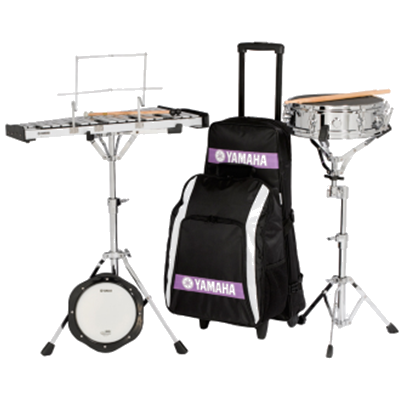
The snare drum or side drum is a percussion instrument that produces a sharp staccato sound when the head is struck with a drum stick, due to the use of a series of stiff wires held under tension against the lower skin. Snare drums are often used in orchestras, concert bands, marching bands, parades, drumlines, drum corps, and more. It is one of the central pieces in a drum set, a group of several drums, and cymbals that one player uses.

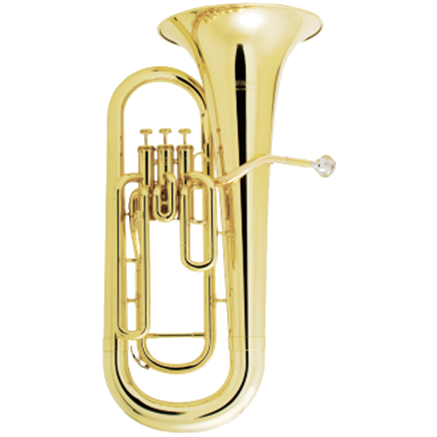
Baritone (Euphonium)

A baritone is a type of classical male singing voice whose vocal range lies between the bass and the tenor voice-types. The term originates from the Greek βαρύτονος (barýtonos), meaning “heavy sounding”.

French Horn

The French horn (since the 1930s known simply as the “horn” in professional music circles) is a brass instrument made of tubing wrapped into a coil with a flared bell. The double horn in F/B♭ (technically a variety of German horn) is the horn most often used by players in professional orchestras and bands. A musician who plays a horn is known as a horn player or hornist.

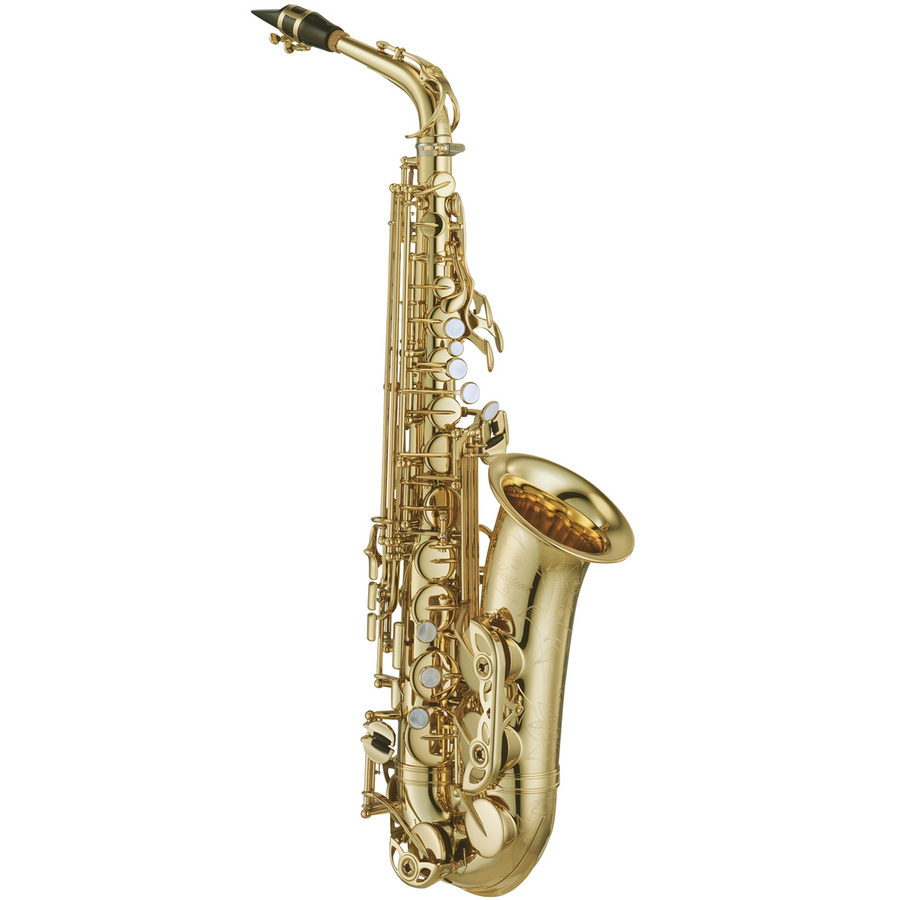
Alto Saxophone

The alto saxophone (referred to colloquially as the alto sax) is the second highest instrument in a family of woodwind instruments usually made of brass and played with a single-reed mouthpiece. Although most saxophones are made from brass, they are categorized as woodwind instruments, because sound is produced by an oscillating reed (traditionally made out of woody cane) rather than lips vibrating in a mouthpiece cup as with the brass instrument family.

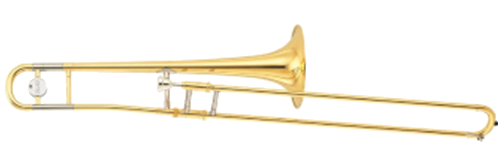
Trombone

The trombone is a musical instrument in the brass family. As with all brass instruments, sound is produced when the player’s vibrating lips (embouchure) cause the air column inside the instrument to vibrate. Unlike most other brass instruments, which have valves that, when pressed, alter the pitch of the instrument, trombones instead have a telescoping slide mechanism that varies the length of the instrument to change the pitch.

Trumpet

The trumpet is a brass instrument commonly used in classical and jazz ensembles. The trumpet group ranges from the piccolo trumpet with the highest register in the brass family, to the bass trumpet, which is pitched one octave below the standard B♭ or C Trumpet.

Clarinet

The clarinet is a family of woodwind instruments. It has a single-reed mouthpiece, a straight, cylindrical tube with an almost cylindrical bore, and a flared bell. A person who plays a clarinet is called a clarinetist (sometimes spelled clarinettist).

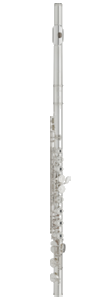
Flute

The Flute is a musical instrument. A person who plays the flute is called a flutist. There are many kinds of flutes. The most common concert flute is on C tuning. The flute is a family of musical instruments in the woodwind group. Unlike woodwind instruments with reeds, a flute is an aerophone or reedless wind instrument that produces its sound from the flow of air across an opening.

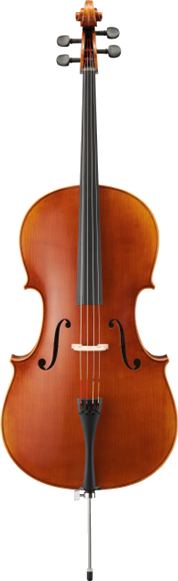
Cello

The cello (/ˈtʃɛloʊ/ CHEL-oh; plural celli or cellos) or violoncello (/ˌvaɪələnˈtʃɛloʊ/ VY-ə-lən-CHEL-oh;[1] Italian pronunciation: [vjolonˈtʃɛllo]) is a bowed (and occasionally plucked) string instrument of the violin family. Its four strings are usually tuned in perfect fifths: from low to high, C2, G2, D3 and A3, an octave lower than the viola. Music for the cello is generally written in the bass clef, with tenor clef and treble clef used for higher-range passages.

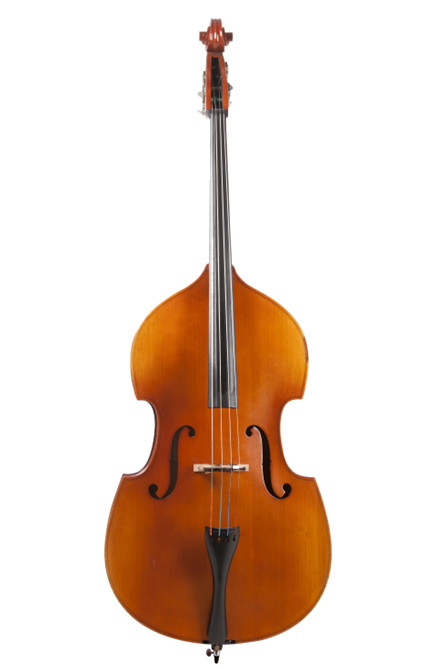
Upright Bass

The double bass, is the largest and lowest-pitched bowed or plucked string instrument in the modern symphony orchestra. The bass is a standard member of the orchestra’s string section, as well as the concert band, and is featured in concertos, solo, and chamber music in Western classical music. The bass is used in a range of other types of music such as jazz, 1950s-style blues and rock and roll, rockabilly, psychobilly, traditional country music, bluegrass, tango and many types of folk music.

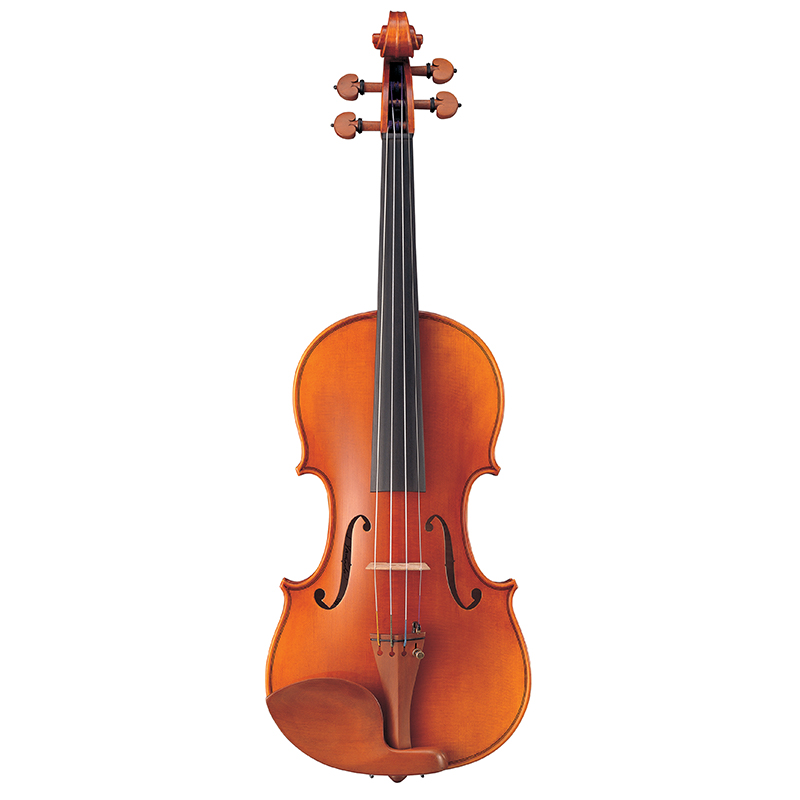
Violin

The violin, sometimes known as a fiddle, is a wooden string instrument in the violin family. Most violins have a hollow wooden body. It is the smallest and highest-pitched instrument (soprano) in the family in regular use.[a] The violin typically has four strings, usually tuned in perfect fifths with notes G3, D4, A4, E5, and is most commonly played by drawing a bow across its strings. It can also be played by plucking the strings with the fingers (pizzicato) and, in specialized cases, by striking the strings with the wooden side of the bow (col legno).

Viola

“The viola is a string instrument that is bowed, plucked, or played with varying techniques. It is slightly larger than a violin and has a lower and deeper sound. Since the 18th century, it has been the middle or alto voice of the violin family, between the violin and the cello.”